Sustainability Success Stories: Green Buildings in Action
Key Highlights
- Both projects demonstrate the importance of integrating sustainability early in the design process to maximize environmental and community benefits.
- Use of regionally sourced materials, high-efficiency systems, and renewable energy sources like solar panels are key strategies showcased.
- Engaging facilities teams from the start ensures maintenance considerations are incorporated, preventing future challenges.
- Community and ecological well-being are central, with features like landscaped rooftops and parks fostering local engagement and environmental health.
- Setting realistic goals and empowering teams to influence design decisions are crucial for the success of sustainable building projects.
Sustainability achievements come in many forms, from high-efficiency building systems to material ingredients—and, ultimately, the operation of the finished building. These two sustainable facilities—one new construction project, and one renovation and addition onto an existing building—are shining examples of what can be achieved with careful selection of materials, thoughtful building design, and a foundation for environmentally conscious operation.
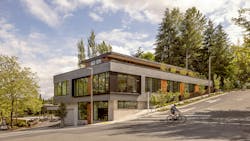
East Seattle Partners Office Building: Ambitious Sustainability Solutions
Located on Mercer Island, Washington, this 15,000-square-foot office building was constructed on a compact 6,500-square-foot corner lot with 25 feet of grade change. The LEED Gold-certified building features 100% electric operation and a 47% reduction in energy use compared to ASHRAE requirements, as well as a 54% reduction in water consumption thanks to its high-efficiency plumbing fixtures and irrigation system. A rooftop solar array generates about 25% of the building’s annual energy needs.
The project began as an extensive renovation of an old house that had been converted into office space, but the project team began to question what it would look like “if we tailored it to what we want rather than trying to fit it into this shell,” related Scot Carr, partner at PUBLIC47 Architects. The client embraced the idea of a high-performance building, putting the project on its way to achieving its LEED certification.
“That ended up shaping the process a little bit, knowing that was a requirement,” Carr said. “If you don’t get your certification, you don’t get your Certificate of Occupancy. The carrot and stick [motivation] is pretty strong.”
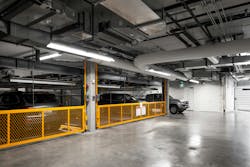
The construction features regionally sourced cross-laminated timber (CLT), and other building materials were selected based on their lifecycle assessments and material ingredient declarations. The project also features an automated parking system that helped the team overcome strict two-story zoning and parking constraints; ultimately, it freed up space to build a third-level mezzanine and a 3,500-square-foot landscaped rooftop deck.
Newark Beth Israel Medical Center: Community Engagement and Green Space
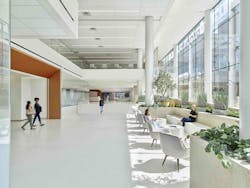
Decision-makers at Newark Beth Israel Medical Center weren’t just looking to expand and renovate the New Jersey hospital—they wanted to revitalize the area and integrate the hospital into the surrounding community. Enter FCA, the architecture, design, and planning firm that led an 80,200-square-foot transformation that updated and expanded the hospital’s 11-acre campus.
The new space, which includes a 24,300-square-foot addition and a 55,900-square-foot renovation, gave the hospital more capacity to provide state-of-the-art care and features new streetscapes, pocket gardens, and more than 50 added trees. The new landscape supports stormwater absorption and reduces urban heat while making the campus welcoming and calming for patients and visitors. The project also features highly resource-efficient building systems and healthy material selections (including low-flow fixtures and low-VOC finishes), as well as automated window treatments that reduce energy and water use.
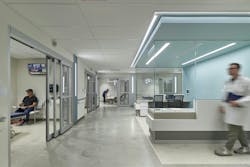
Sustainability wasn’t a top priority for the hospital, but FCA’s commitment to specifying greener materials and equipment delivered a highly sustainable project. For example, the project includes rubber flooring, which doesn’t require waxing, throughout the emergency department and critical care unit.
“This is a material that [the facilities department] is not necessarily used to maintaining, but it has a long lifespan if you take care of it,” explained Jennifer Kenson, principal at FCA. The FCA team worked closely with the facilities folks to make sure they were up to the challenge of maintaining new systems and materials.
The two-story glass curtainwall in the lobby also tells a sustainability story, with its shading system that’s tied in with solar tracking and the time of year. “It’s a lot of glass, but that improves the operational cost impact in terms of managing daylight and heat gain,” added Stephen Jouflas, principal at FCA.
Public spaces feature terrazzo with recyclable aggregates, as well as acoustical ceiling tiles that includes recyclable materials. The exterior cladding incorporates natural stone that’s not heavily refined. In addition, the revamped streetscape reflects FCA’s holistic approach to sustainability, Kenson said. “It’s about more than what you typically think,” she added. “It’s about wellbeing, community, and ecology. The parks bring in the ability for the local community to feel engaged and part of it as well.”
Successful Sustainability Strategies
These two approaches to sustainable building design and operations ultimately yield lessons for other projects, including these four tips:
1. Look for common-sense sustainability solutions. This includes natural ventilation and daylighting, Carr said: “We like to say, the lightbulb that’s off is 100% efficient.”
2. Make sure your team has a shared mission before embarking on a project. If sustainability is a priority, commit to it early and figure out a creative way to get there.
3. Ensure the facilities team is involved in the design conversation early and often. Your facilities department will ultimately be responsible for maintaining new technologies, materials, and building systems, so they need to be involved in selecting them and trained on how to use them. “Really understand what the impact is going to be and plan ahead of it,” advised Jouflas. “Keep your people involved throughout the design process, through construction, understand what systems are being put in place, and ensure the right time is being put into training at the end of the day.”
4. Set yourself up for success. Ensure the facilities team is empowered to influence design decisions, especially on systems they’ll have to maintain. “For example, waterless urinals,” Kenson said. “They’re difficult to maintain, and if your staff isn’t going to be able to maintain them and they’re going to fail, don’t set yourself up for failure. Be realistic in what you’re going to be able to achieve.”
The stories of these two facilities showcase the different paths projects can take toward sustainable design and operation. What’s the story of your sustainability journey?
About the Author
 Janelle Penny
Janelle Penny
Editor-in-Chief at BUILDINGS
Janelle Penny has been with BUILDINGS since 2010. She is a two-time FOLIO: Eddie award winner who aims to deliver practical, actionable content for building owners and facilities professionals.