How Micro Markets Can Support Day-to-Day Building Operations
Key Highlights
- Micro markets reduce strain on shared breakrooms by operating 24/7 and offering tailored space solutions, easing congestion and appliance wear.
- They eliminate cash handling and minimize operational tasks for staff, thanks to scheduled restocking and cashless payment systems.
- Installation is quick and low-cost, requiring minimal electrical work and no plumbing, making micro markets a cost-effective upgrade to workplace amenities.
- Built-in smart technology provides valuable data on purchasing habits and building usage, enabling better resource planning and maintenance scheduling.
- Offering convenient, accessible food options enhances employee satisfaction, retention, and productivity, while supporting health and safety standards.
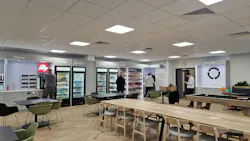
Between controlling tight budgets and employees’ rising expectations, building operations teams face a never-ending challenge. Every decision they make must justify itself twice over, once for employee satisfaction and once for a financial perspective. Micro markets, which are self-service retail spaces stocked with fresh food and premium drinks within the workplace, are emerging as more than just an office perk. When implemented correctly, they have proven to be a beneficial operations tool that reduces strain on shared breakrooms, minimizes disruptions, and provides data to assist in the decision-making process.
Reducing Pressure on On-Site Staff
Traditional vending machines present ongoing operational challenges, including managing cash collection schedules, service and maintenance calls, and restocking schedules. Micro markets shift this burden onto the vendor, who creates scheduled restocking windows that suit the business’ schedule, handle all the maintenance, and manage the inventory. The need for cash collections is also eliminated by micro markets due to their cashless payment systems.
The self-service model also reduces disruption to workflow and frees up the business operation teams time by ensuring they deal with fewer requests. When an employee needs a snack or lunch, they handle the transaction themselves without leaving the building or having to worry about change.
Improving Tenant Flow and Reducing Bottlenecks
It is common for shared breakrooms or kitchens to become a bottleneck during lunchtime, with multiple employees queuing for the microwave, or trying to squeeze into the shared fridge and racing to grab one of the limited seats provided. This isn’t just inconvenient; it also affects HVAC performance in overcrowded spaces, increases the wear and tear on appliances, and often results in more frequent calls to the maintenance team.
Micro markets tackle this challenge by operating 24/7, meaning that employees are able to space out their lunch time without fear of missing the fixed canteen hours and reduce congestion in shared spaces. Due to their bespoke design, micro markets can also be tailored to accommodate the needs of the site, whether that is extra microwaves or additional fridges and coffee machines.
Strengthening Building Amenities Without Major Capital Investment
It goes without saying that adding new amenities often means construction, downtime, and capital investment. Where a traditional canteen can take weeks to install, a micro market can be installed within a day or two and require minimal infrastructure.
Typically, it is recommended that 100-150 square feet is ideal for a micro market, but they can be adjusted to fit any space. The electrical requirements of a micro market are also simple; a standard 110V outlet for the fridges and tills works perfectly, removing the need for major electrical work. Unlike a canteen, micro markets don’t require plumbing, grease traps, or installing commercial kitchen equipment, which can make the overall investment cheaper overall. Micro markets are a fast, low-disruption way of upgrading the breakroom and boosting employee satisfaction.
The business case for this investment is supported by employees’ preferences. Recent survey data shows 90% of people want food options within easy walking distance at work, and 57% say better amenities would influence their decision to relocate. Buildings with micro markets often see better retention, which means lower vacancy costs and more stable income.
Supporting Health, Safety, and Compliance Goals
Food safety is a common problem for shared kitchens, with personal items being left in communal fridges, unmarked containers, and expired food creating both sanitization issues and employee conflict.
Micro markets eliminate these challenges by providing pre-packaged products that have clear expiry dates and weekly audits conducted by the vendor to stay on top of waste disposal. The micro markets are also equipped with temperature-controlled fridges, which are monitored digitally by the vendors. Due to the micro market’s fully managed services, the vendors take on all the stock management and maintenance responsibilities, which reduces operational risks and ensures professional management of the food supply chain.
Data That Helps Operations Managers Plan Better
Micro markets have built in smart technology that tracks transaction data to provide an insight into the building’s habits. This data highlights purchasing habits which assists with product management, peak usage times, and location-specific preferences.
Some platforms integrate with building management systems, allowing food service data to be viewed alongside HVAC, lighting, and security information. This integrated approach provides a more complete understanding of how occupants use the building. Operations managers can use these insights to optimize resource allocation, adjust service schedules, and improve maintenance planning. Data-driven decision making typically leads to more efficient operations and better alignment between services and actual usage patterns.
Boosting Staff Satisfaction and Retention
CBRE research also consistently shows that having access to food and drink ranks high on the list of valued workplace amenities. The research also highlighted that employees are more likely to stay for a full workday when they don’t need to leave the building for basic needs, such as lunch, which boosts productivity and reduces the need for access control and security measures.
The 24/7 access and self-service nature of a micro market also means that teams can work flexible hours, and cater to external workers such as contractors, without worrying about having to skip a meal or leaving the building unattended. It's a small operational detail that has a real impact on staff morale.
Reducing off-site trips also means fewer disruptions to workflow, less parking demand throughout the day, and regaining hours that otherwise may have been lost due to queues and traffic. Although these may seem like minor points, they all result in smoother daily operations.
Practical Considerations Before Installation
Before committing to a micro market, assess your available space and power infrastructure. Walk the building with your facilities team and identify locations that have:
- Adequate electrical capacity
- Proximity to high-traffic areas without blocking emergency exits or creating ADA compliance issues
- Sufficient lighting and visibility for security purposes
- Easy access for restocking carts and equipment service
Conclusion
Micro markets are most effective when they are part of the operational infrastructure, rather than just treated as an employee perk. By reducing strain on shared spaces, providing useful data, and minimizing the service burden on building staff, they support the daily work of keeping a property running smoothly. For operations managers looking to improve building performance without major capital projects, a well-placed micro market offers tangible operational benefits alongside the tenant satisfaction gains.
About the Author
Alexandru Samoila
Alexandru Samoila is Head of Operations at Connect Vending, where he leads strategy, automation, and service performance. He has been featured in Forbes, DS Spotlight, and the Vending & Automated Retail Association, offering insight on leadership, data use, and operational efficiency.